As the weather changes, clients may report dry cheeks, an oily forehead and discomfort from familiar products. Adding a hydrating serum, brightening mask and peel at the same time makes it harder to identify what helps and what adds to the problem. Begin by reviewing the current routine.
Step one: ask exactly what has been used
We suggest recording full product names, morning and evening frequency, and when discomfort began. Packaging or photographs can be more useful than vague descriptions such as exfoliating toner or anti-ageing serum.
Does tightness follow cleansing, or does a particular product sting on application? Has the client added a mask, increased acid use or recently had a professional procedure? This record helps organize the discussion but does not replace diagnosis of a skin condition.
Step two: review cleansing and moisturizing
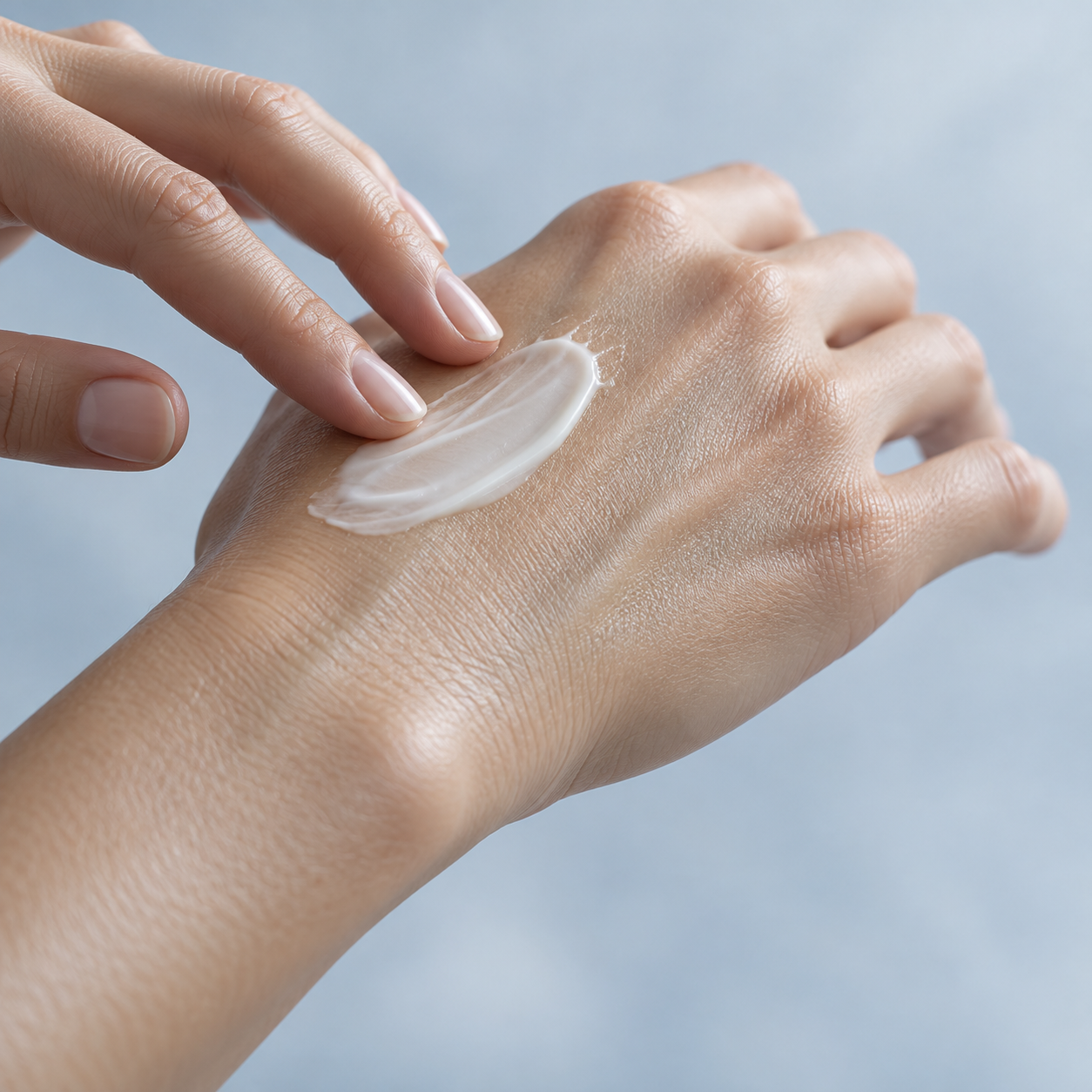
During dry periods, consider gentle cleansing rather than treating abundant lather or a tight after-feel as signs of cleanliness. Apply a suitable moisturizer while skin is still slightly damp. If a lotion no longer maintains comfort, compare a richer cream rather than simply adding more layers of lightweight serum.[1]
Professional advice should identify the product, its place in the routine and how to follow its instructions. Simply saying “moisturize more” can leave clients buying several products that do the same job.
Step three: count exfoliation across the whole routine
Cleansers, serums and masks may all contain exfoliating ingredients. Adding a scrub or further exfoliation when skin is already irritated, or alongside vitamin A products, can increase dryness and discomfort. Frequency should reflect the method and skin tolerance; do not exfoliate open wounds or sunburned skin.[2]
Seasonal roughness does not automatically call for a stronger peel. List relevant products together, identify overlapping steps and agree on changes that can be followed up, rather than recommending each product’s frequency in isolation.
How should changes be followed up?
Use the same simple record at each review: tightness after cleansing, repeated need for moisturizer, stinging on application and whether the client can follow the instructions. Changing many steps at once makes observation harder. Document the agreed changes and a follow-up date.
Persistent rashes, cracks or marked discomfort despite moisturizing warrant medical advice. Avoid automatically describing these symptoms as detoxing, normal adjustment or simple dehydration.
Where does probiotic skincare fit?
When considering probiotic or microbiome-related skincare, first establish its practical role: cleansing, moisturizing or targeted care. Compare the complete formula, instructions and client acceptance. An ingredient concept can start a product discussion, but cannot by itself support promises to resolve sensitivity, acne and pigmentation together. Assess the specific product alongside the existing routine.
Explore the Glowbiotics catalogue, or share an existing product list with Dermatriz to enquire about specifications and professional supply.
Sources and further reading
- Original Derm-Mart article (Chinese), adapted for Dermatriz professional readers.
- [1] American Academy of Dermatology: Relieving dry skin
- [2] American Academy of Dermatology: Safe exfoliation