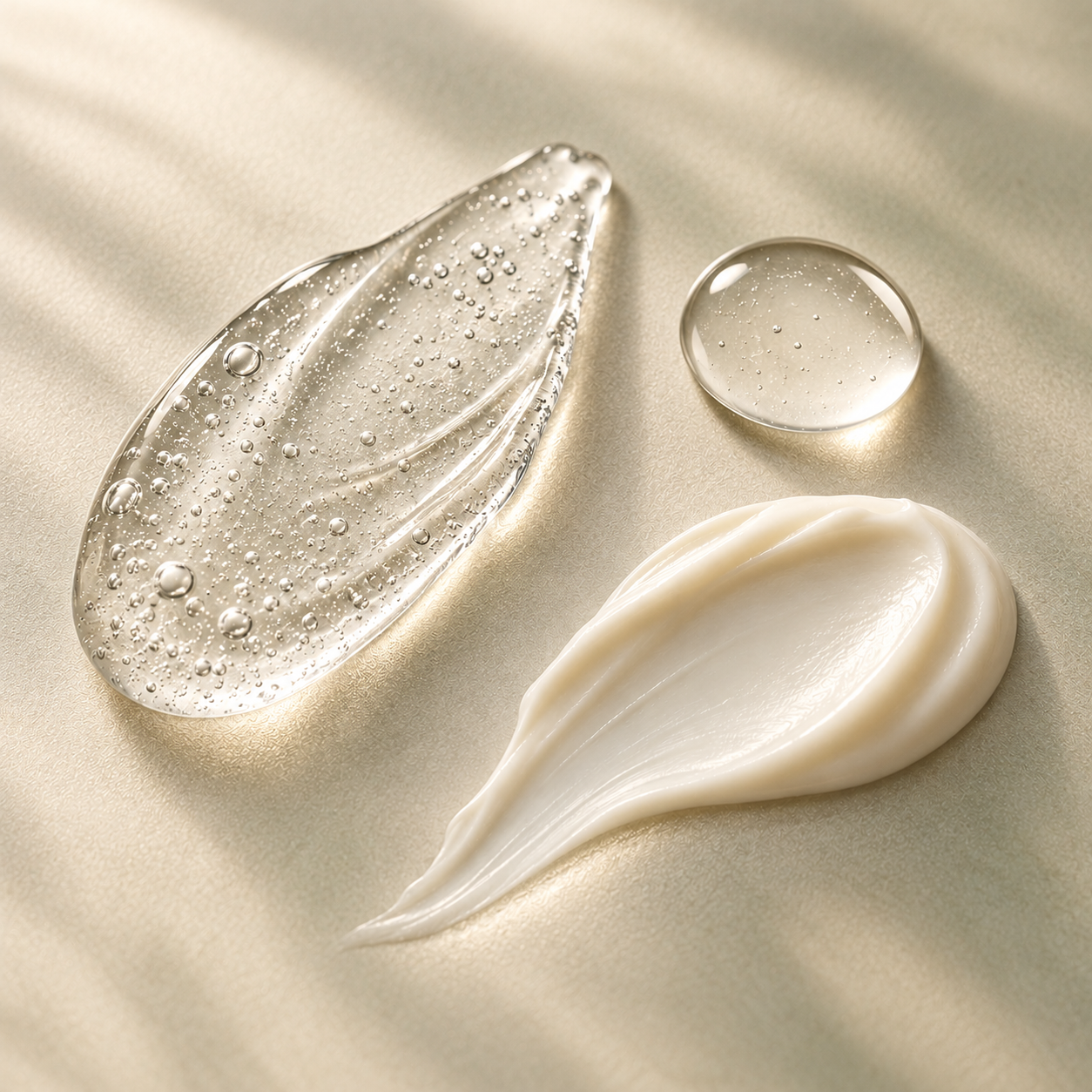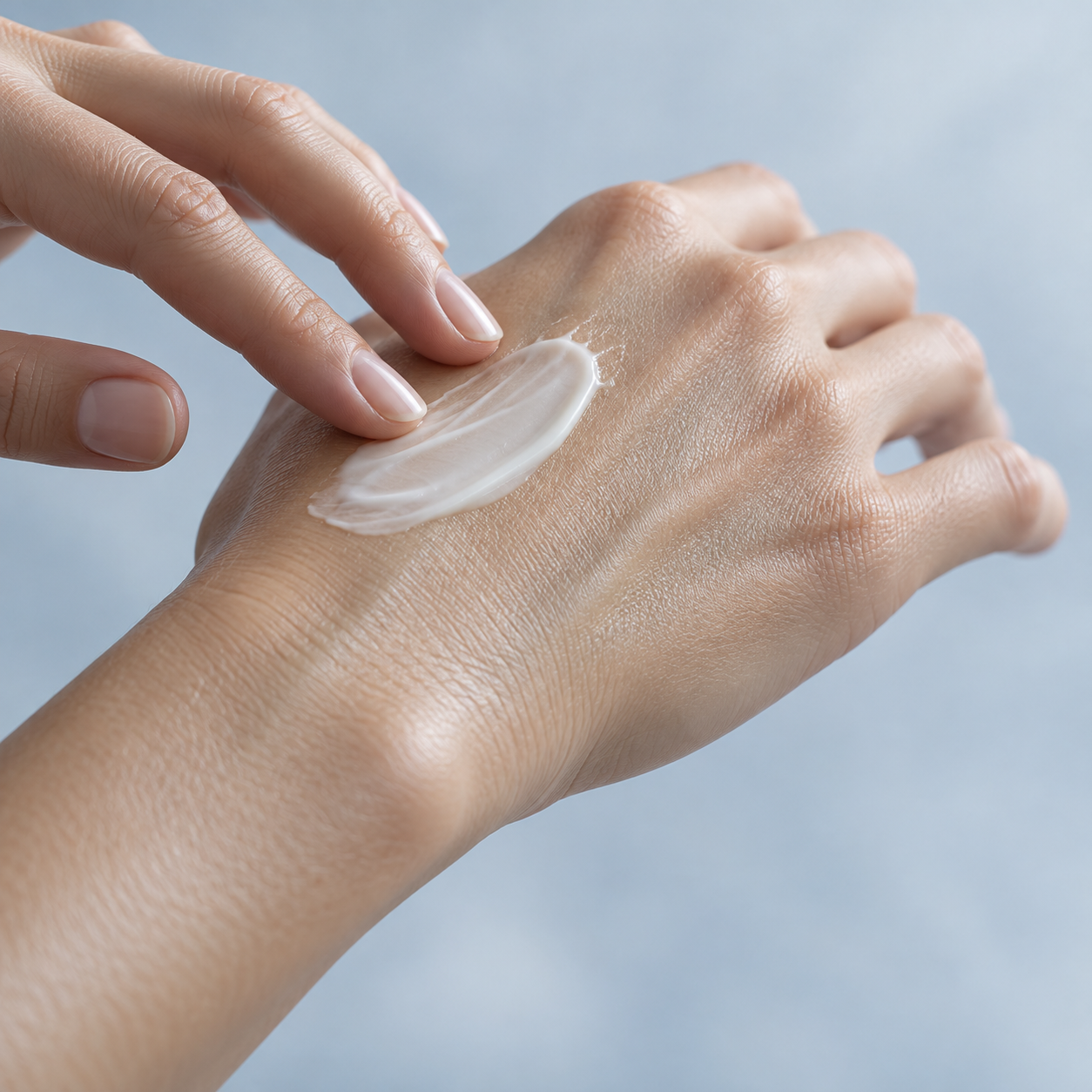
Sheet masks, gel masks and clay masks can serve very different purposes, even when they all promise hydration. Start with three questions: what is the immediate goal, what can the skin tolerate, and does the mask duplicate something already in the routine?
Immediate softness is not the same as a lasting result
A mask can supplement regular skincare, and some formulas support hydration. A smoother feel after one application does not show that a long-standing skin concern has resolved. Masks do not replace treatment for acne or eczema, or the basics of cleansing, moisturizing and sun protection.[1]
Choose the formula first, then the material
Hydrating ingredients such as hyaluronic acid and glycerin serve a different purpose from oil-absorbing clays such as kaolin and bentonite. Dry skin may benefit from a hydration-focused choice; oily skin does not automatically need deep cleansing every time. If a routine already contains acids or vitamin A products, check for overlapping exfoliating ingredients.[1]
Material is a separate consideration. When comparing sheet, biocellulose and gel formats, assess how they fit around the nose and chin, whether they slide, how easily they can be removed and how comfortable they feel. These are tangible differences for clients. A premium material name alone cannot establish overall performance.
How long should a mask stay on?
There is no universal application time. A material name such as biocellulose does not mean a mask should be worn for hours or overnight. Follow the product label: longer or more frequent use may cause irritation. Remove and rinse off a mask immediately if itching, burning or stinging occurs.[1]
Make salon advice easy to follow
Instead of simply telling clients to use more masks at home, provide a product-specific instruction card with four points:
- Purpose: hydration, cleansing or another verified product function.
- Timing: the application time on that product’s label, rather than a habit carried over from another mask.
- Removal: whether rinsing is required and how to resume the regular routine.
- Feedback: a place to note comfort and any unwanted reaction for the next consultation.
After a professional procedure, check the treatment provider’s aftercare instructions. A soothing claim alone does not establish suitability immediately afterwards.
What should a business request from its supplier?
Ask for the complete ingredient list, instructions, quantity per application, pack size and use restrictions. Compare cost per service using actual quantities, rather than box price alone. This helps determine whether a product fits an existing service workflow.
For Dermatriz product supply information, contact us with the full product name and intended setting.
Sources and further reading
- Original Derm-Mart article (Chinese), adapted for Dermatriz professional readers.
- [1] American Academy of Dermatology: Facial masks and skincare